Smart Flour News
Gluten-Free Foods Are Officially Mainstream
From Fringe to Fork:
Not long ago, "gluten-free" at a restaurant meant a lettuce wrap or a side salad with a sympathetic shrug; and we unfortunately still see this sometimes, even in 2026.
Today, it's a line item on mainstream menus, a certified category on grocery shelves, and the subject of a global market forecast that has crossed $7 billion – projected to reach $13.6 billion by 2030. Source.
Something has shifted. And it isn't ust the demand from people with celiac disease.
Who's ACTUALLY Eating Gluten-Free
The clinical case for gluten-free is real: roughly 1% of the population has celiac disease, an autoimmune condition that requires strict gluten avoidance. Another 6–10% experience non-celiac gluten sensitivity. But the broader gluten-free consumer base has grown far beyond those numbers.
Up to 25–30% of consumers actively seek gluten-free options as part of lifestyle or wellness choices; not because their doctor told them to, but because it aligns with how they want to eat. Cleaner ingredients. Less processed flour. Fewer inflammatory concerns. The reasons are varied, but the preference is consistent.
What Changed in Foodservice
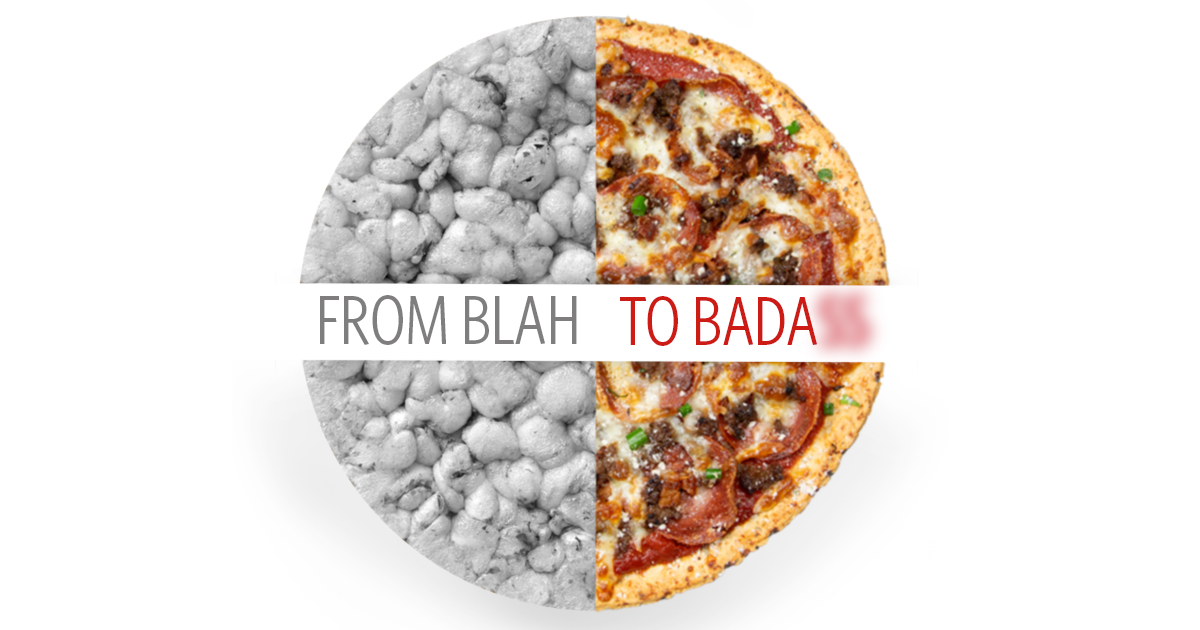
For years, foodservice lagged behind retail on gluten-free quality. The products available were often designed around restriction rather than around flavor: dry, crumbly, or texturally strange in ways that made the "accommodation" feel punitive. (If you personally or know someone who has been GF for 5+ years, they can certainly testify to this).
Times have changed. Product innovation in the gluten-free category has accelerated, driven partly by higher consumer expectations and partly by brands that decided the standard wasn't good enough. Today's certified gluten-free buns, pizza crusts, and rolls can perform in commercial kitchens, hold up through delivery, and taste like the real thing…because they are the real thing, just made differently.
The Mainstream Signal: Allergen-Friendly Menus Are Accelerating
It's not just gluten-free. Dairy-free, nut-free, and multi-sensitivity menus are becoming operational priorities across restaurant categories, from QSR to fine dining. The movement toward allergen-friendly menus isn't niche anymore; it's a reflection of a dining public that expects options.
Gluten-free is the most visible part of that shift. It's the category with the most consumer awareness, the most product development activity, and the clearest path from foodservice challenge to menu opportunity.
For Diners: What Mainstream Means
It means more choices. It means more restaurants with real answers when you ask about gluten-free. It means products on menus that you'd actually want to order; not just eat out of necessity. It means the conversation is shifting from, "Can I eat here?" to "What do I want to order?"
That shift is still in progress. But it's unmistakably happening.
For anyone who's been navigating gluten-free dining for years: quietly scanning menus, hedging bets, or skipping restaurants altogether…the momentum is worth paying attention to.
Does your restaurant have the attention of this ever-growing segment?